Steam cleaning benefits for health, hygiene and the environment
Yes, steam cleaning works, provided it is done properly. When you use the right equipment and technique, steam and hot water extraction reduce microbes and allergens, pull embedded soil out of carpet and upholstery, and cut chemical and water use compared with traditional multi-step chemical cleaning. A peer-reviewed ICU comparison found steam matched chemical disinfection for microbial control while using roughly 90% less water. The catch is technique: heat without proper extraction can damage delicate fibres or leave carpet too wet for too long.
Before you book anything or hire a hire-shop machine, do this:
- Patch-test any unfamiliar surface or delicate fabric before a full clean.
- Ask a professional operator what temperature, dwell time and extraction method they use.
- For allergy-prone households, aged care settings, or flood-affected carpet, book a trained operator rather than relying on DIY equipment.
Key Takeaways
Steam cleaning delivers measurable health, hygiene and environmental benefits only when heat is paired with strong extraction and matched to the right surface.
| Point | Details |
|---|---|
| Health benefits are real but bounded | Steam matched chemical disinfection for microbial control in an ICU study while using far less water; at home, treat it as hygiene control, not a medical fix. |
| HWE beats shampooing for soil removal | Hot water extraction rinses and recovers soil instead of leaving detergent residue behind, which is why professionals rely on it. |
| Fewer chemicals, less water | Steam-based cleaning can cut water use by around 90% versus two-step chemical methods and removes the need for disinfectant sprays. |
| Test before you treat | Patch-test unfamiliar fibres and unsealed surfaces first, and watch drying time as your clearest sign of a good clean. |
| Professionals reduce risk on high-stakes jobs | Com’s trained, insured teams handle end-of-lease, aged care, and flood restoration work with fibre-safe settings and guaranteed results. |
Table of Contents
- What are the health benefits of steam cleaning?
- How does hot water extraction clean better than shampooing?
- Does steam cleaning reduce chemical and water use?
- Which surfaces suit steam cleaning and which don’t?
- What are the risks and how do you avoid them?
- How does steam cleaning actually work?
- When should you call a professional instead of DIY?
- Book a professional steam clean in Melbourne
- Frequently asked questions
- Sources
What are the health benefits of steam cleaning?
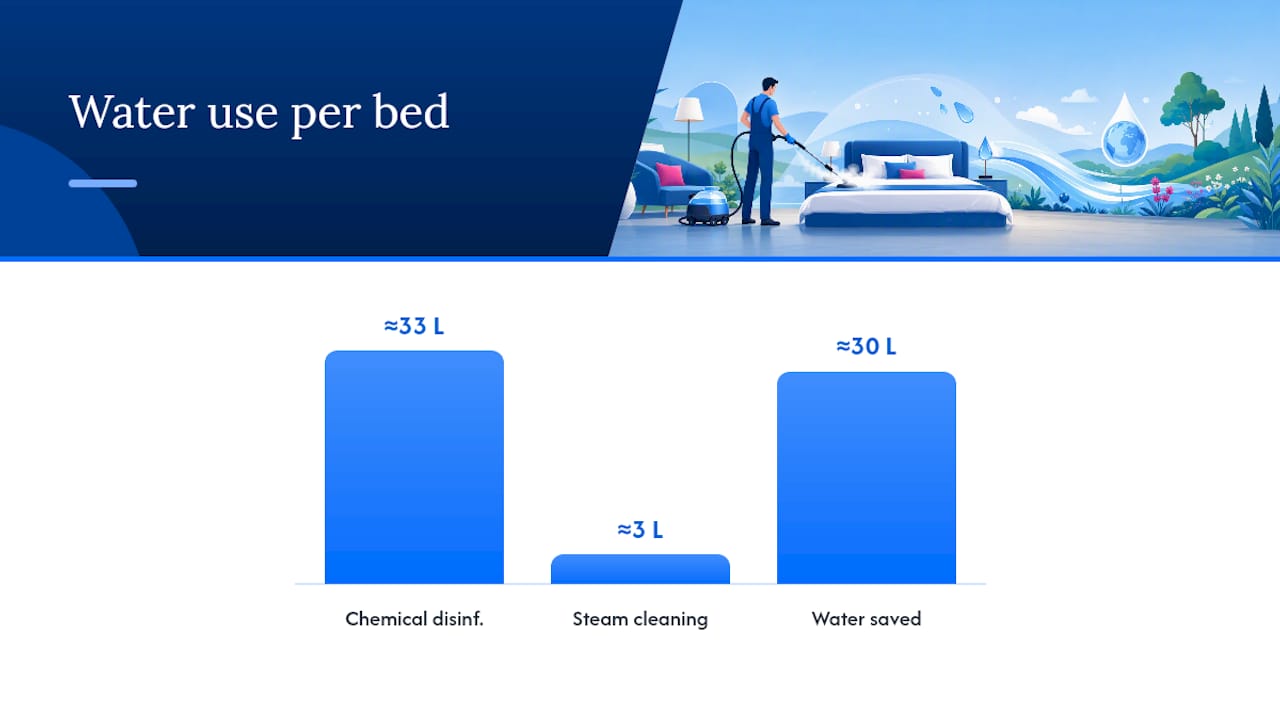
The strongest evidence for steam cleaning’s health benefits comes from a hospital setting, not a living room. A study comparing steam technology with a two-step chemical disinfection method in intensive care units found no bacterial growth after steam cleaning, matching the results of hypochlorite disinfection while cutting water use from around 33 litres to about 3 litres per bed.
Steam cleaning benefits at a glance: microbial control comparable to chemical disinfection, roughly 90% less water use, and no exposure to corrosive disinfectant residue.
That result does not automatically transfer to your lounge room carpet, but the underlying mechanism does. Heat disrupts biofilms and denatures proteins, which is why heat-assisted cleaning outperforms cold cleaning on bioburden when it is paired with proper extraction rather than just a hot wipe-down.
For households dealing with allergies, the practical wins show up in three places:
- Dust mites are heat-sensitive, so treating mattresses, rugs and upholstery at the right temperature shrinks their reservoirs.
- Controlled drying after a clean limits the damp conditions mould needs to establish.
- Trapped odours from pets, smoke or spills lift out with the soil rather than masking over it.
Steam cleaning for allergies isn’t a medical treatment. It’s an environmental control measure, one part of a broader hygiene routine alongside regular vacuuming and ventilation.
How does hot water extraction clean better than shampooing?
“Steam cleaning” is largely a marketing term. What most professionals actually use is hot water extraction (HWE), which injects hot water and cleaning solution into the fibre, agitates it, then immediately vacuums it back out along with the dissolved soil. Carpet shampooing, by contrast, tends to leave detergent residue behind that attracts more dirt over time.
Hot water extraction handles specific problems well:
- Oily and greasy soils that resist cold-water cleaning break down faster under heat.
- Embedded grit and sand lift out with strong suction rather than getting pushed deeper into the pile.
- Pet accidents and associated odours respond to the combination of heat, solution dwell time and thorough extraction.
The process itself follows a sequence: pre-treatment loosens soil, heat and a short dwell time let the solution work, then extraction pulls both moisture and dirt out in one pass.
Pro Tip: Ask how long the carpet will take to dry. Fast drying, generally a few hours rather than a day or more, is one of the clearest signs the operator is using strong extraction rather than just blasting heat at the fibre.
Does steam cleaning reduce chemical and water use?
Steam cleaning’s environmental case rests on two things: what it removes from your cleaning routine, and what it uses less of. Northern Territory Health guidance describes steam technology as a sustainable, chemical-free cleaning method that can cut water consumption by around 90% compared with two-step chemical cleaning in the contexts it studied.
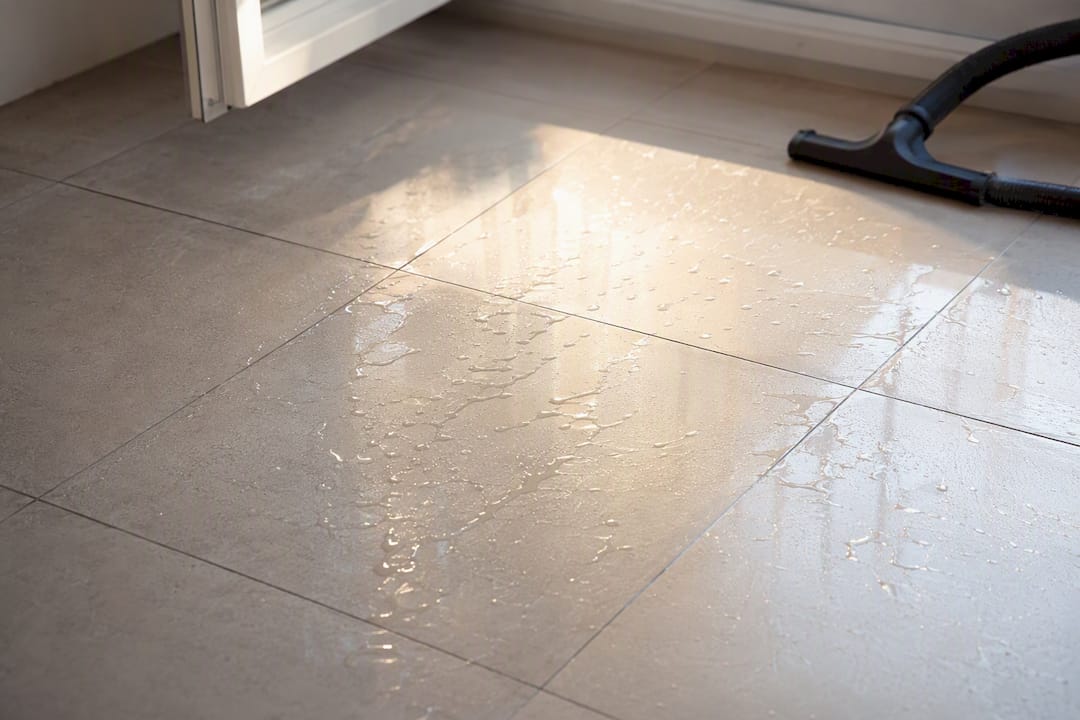
That figure comes from institutional cleaning comparisons, not a guarantee for every household job, but the direction holds at any scale: using plain tap water instead of a chemical spray-and-wipe cycle means fewer bottles of disinfectant going into landfill and less indoor exposure to volatile organic compounds from cleaning products. Wastewater still needs proper disposal, and any detergent used alongside hot water extraction should be a low-toxicity formulation, particularly in homes with children, pets, or people with respiratory sensitivities.
Which surfaces suit steam cleaning and which don’t?
Steam and hot water extraction aren’t universal tools. They excel on synthetic carpet, most sealed tile and grout, sealed hard floors, and many upholstery fabrics rated for wet cleaning. They’re the wrong choice, or at least risky, on unsealed timber, some natural fibre rugs like jute or sisal, electronics, and anything with delicate trims or adhesive-backed elements.
Before committing to a full clean:
- Test an inconspicuous patch first and check for colour bleeding or texture change.
- Check the fibre or fabric label for wet-cleaning suitability.
- Watch for shrinkage risk on natural fibres, which respond differently to heat than synthetics.
Pro Tip: If a rug or piece of furniture has any sentimental or high replacement value, get a professional assessment before anyone applies heat and moisture to it. The cost of an assessment is nothing compared to a ruined heirloom.
What are the risks and how do you avoid them?
Most of the downsides linked to steam cleaning trace back to one problem: heat applied without strong enough extraction. Consumer-grade steam devices and hire machines are the usual culprits behind reports of shrunk carpet, long drying times and lingering damp smells, because they generate heat well but recover moisture poorly.
To stay on the right side of that line:
- Use commercial-grade equipment with strong vacuum recovery, not just a heat source.
- Finish with a dry microfiber pass and open windows or run fans to speed drying.
- Watch for red flags in the days after a clean: persistent musty smell, visible stretching or puckering, or colour bleeding onto adjoining surfaces.
- If any of those signs appear, stop further wetting and get a professional to assess the area immediately.
Heavy-duty commercial machines also carry basic operator safety requirements, including insulated hoses and PPE for handling hot water and detergent concentrate.
How does steam cleaning actually work?
Literal steam is water vapour above 100°C; hot water extraction uses heated water, generally well below boiling, injected under pressure and immediately recovered by vacuum. Professionals rely on HWE far more often than true steam, because it combines cleaning power with controlled moisture removal.
The sequence that determines results:
- Pre-treatment to break down surface soil before the main pass.
- Heat and a short dwell time to let the solution do its work.
- Mechanical agitation where needed, particularly on high-traffic carpet.
- Extraction to remove both the dissolved soil and the bulk of the moisture.
Look for operators trained to recognised benchmarks such as IICRC certification and cleaning methods consistent with CRI testing standards. These aren’t guarantees of quality, but they’re a reasonable filter for whether someone knows what they’re doing.
When should you call a professional instead of DIY?
Hire-shop machines and consumer steam cleaners can handle light, low-risk jobs. For anything where the stakes are higher, professional equipment and training earn their cost back.
Trained operators bring stronger extraction, faster drying times, and settings adjusted for fibre type, all of which reduce the risk of the damage covered above. Insured, trained service also means the work carries a guarantee if something goes wrong.
Book a professional rather than DIY when:
- It’s an end-of-lease clean where the outcome affects a bond refund.
- The property is an aged-care or healthcare setting where infection control matters.
- You’re dealing with flood damage, where drying time and mould prevention are critical.
- There’s a persistent odour or health concern that a light surface clean hasn’t fixed.
Pro Tip: For rental properties, ask whether the cleaning company provides a receipt or certificate of service. Many property managers require proof of a professional clean, not just any clean, to release a bond.
A cleaner’s honest take
Most clients expect steam cleaning to fix stains that are actually dye transfer or sun fading, not soil. What they undervalue is drying time and airflow, which matter more to the final result than the machine itself.
Book a professional steam clean in Melbourne
Reading about hot water extraction is one thing. Getting the drying time, fibre-safe settings and genuine soil removal described above actually depends on who holds the wand. Com runs trained, insured teams across carpet steam cleaning, tile and grout cleaning, upholstery, and flood damage restoration, using chemical-free methods that back up everything covered in this guide rather than just promising it.
For rental properties, our end-of-lease cleaning service is built around the standard bond inspectors expect. For hard floors, tile and grout steam cleaning lifts grime that mopping never touches. Aged care and healthcare properties can book our aged care carpet steam clean service, which follows infection-control protocols suited to vulnerable residents. Every job comes with same-day service options and a satisfaction guarantee, so the risk sits with us, not you.
If you want to see what proper extraction actually looks like on a carpet that’s been neglected for years, read about carpet steam cleaning that actually lasts. Otherwise, get in touch for a quote and we’ll book an inspection around your schedule.
Frequently asked questions
Is steam cleaning good for carpets?
Yes, for most synthetic carpet fibres. Hot water extraction lifts embedded soil and rinses away residue rather than leaving it behind, which is one of the clearest advantages of steam cleaning over shampooing.
Why steam clean carpets instead of vacuuming alone?
Vacuuming removes surface dust and debris, but it can’t touch soil, allergens or bacteria embedded deep in the pile. Steam cleaning benefits go further by lifting what a vacuum physically can’t reach.
Is steam cleaning better than chemical cleaning?
For microbial control, an ICU comparison found steam performed as well as chemical disinfection while using dramatically less water and cutting cost. For everyday soil removal, hot water extraction avoids the detergent buildup that chemical shampooing can leave behind.
Can steam cleaning damage carpet or upholstery?
It can, if heat is applied without adequate extraction, which is the main cause of shrinkage, prolonged dampness and mould risk in consumer-grade machines. Professional-grade equipment with strong vacuum recovery avoids most of that risk.
How often should carpets be steam cleaned for allergy relief?
Most professionals recommend every 6 to 12 months for households with allergy or asthma concerns, though pet owners and larger households often benefit from more frequent cleaning.
Sources
- Comparison of steam technology and a two-step cleaning and disinfecting method for MDR organisms in ICU (PMC)
- Northern Territory Government — introduction to environmental cleaning
